18 Million People Live Near Wells Facing Weaker Methane Rules
The EPA plan to strip federal methane protections leaves nearly 18 million residents, including over 1 million children, exposed to higher levels of air pollution from oil and gas operations.
By Nour Haddad ·
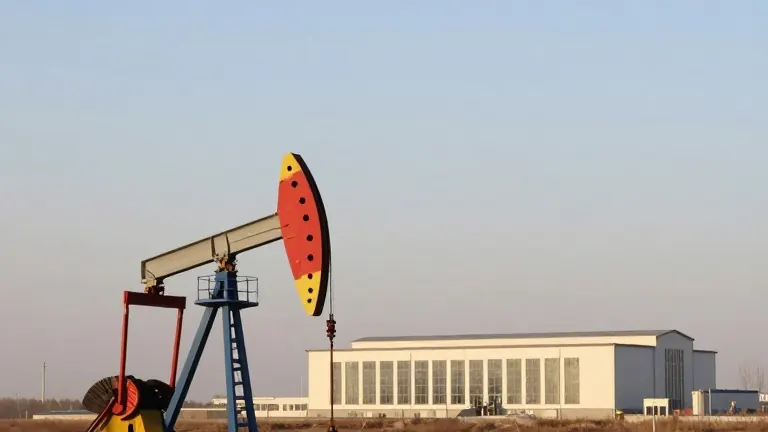
The Environmental Protection Agency has moved to dismantle federal methane protections for the oil and gas industry. This action follows a similar repeal of limits on climate pollution from fossil fuel power plants just weeks earlier. The Trump administration frames these changes as a benefit for consumers, but the rules will allow polluters to emit harmful air pollution with fewer safeguards.
The shift comes at a critical time for energy demand. Data center expansion is driving up electricity needs across the country. Utilities and developers are responding by planning additional fossil fuel generation, including the use of old jet engines and methane gas turbines. This growing reliance on methane is expected to drive up production levels, which could lead to increased oil and gas activity and more frequent methane leaks.
Methane leaks release toxic air pollutants, including benzene, a substance linked to various forms of cancer. The health impact of the new rules is widespread. Nearly 18 million people in the United States live near oil and gas wells that will now pollute more freely. That group includes more than 1 million young children. These residents face increased exposure to air pollution that affects lungs and overall health.
Public opinion in major producing states largely supports the protections now being removed. Recent polling in California, Colorado, New Mexico, Pennsylvania, and Texas shows that 72% of respondents support stringent state rules to reduce methane emissions. This includes regular inspections of low-producing wells. Methane is a potent climate pollutant that accelerates global warming far faster than carbon dioxide over a 20-year timeframe.
The administration’s approach contrasts with its public messaging on making American families healthy. Critics note that the agency has already wasted billions of dollars worth of methane gas by refusing to enforce current protections. This waste occurs while families struggle with the costs of heating their homes. The changes are expected to worsen air quality and increase the risk of heat-related illnesses and other climate-driven health issues.
Mothers and caregivers across the country have expressed concern over the plan. They argue that the administration is not listening to families’ concerns about these environmental actions. The group plans to keep demanding accountability from the EPA. They state that protecting children’s health and futures matters more than record profits for the fossil fuel industry.
The EPA’s mandate is to safeguard public health. The new rules prioritize industry operations over those health safeguards. The administration continues to roll back federal climate protections while asserting that these moves save money for U.S. families and consumers.