600,000 people in Taiz cut off from food and fuel
Houthi forces have blocked all primary routes into Yemen's third-largest city, leaving hospitals hours from running out of power.
By Nour Haddad ·
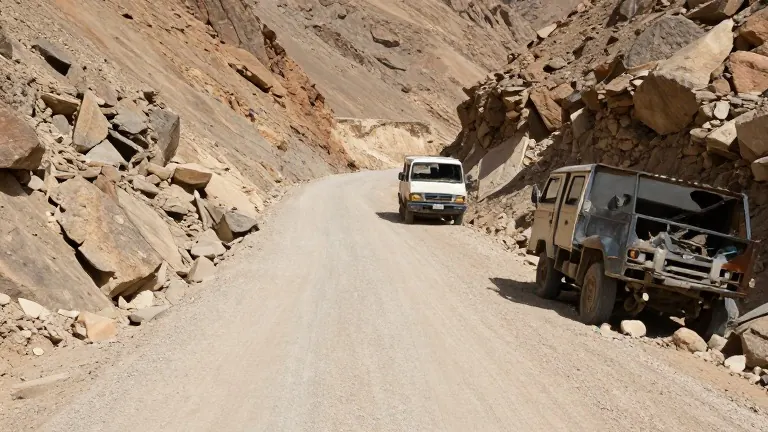
Yemen's third-largest city is now cut off from all primary supply routes, leaving nearly 600,000 residents without access to humanitarian aid.
The blockade began after Houthi forces captured the al-Safiya area, severing the main road to Aden. They also destroyed sections of the Hejat al-Abd mountain road. An unpaved alternative route remains, but it is too narrow for the heavy vehicles required to transport essential goods.
Taiz sits roughly 250 kilometers south of Sana'a and 200 kilometers north of Aden. Before the war, the city held about 1.2 million people. That population has dropped to approximately 800,000. Fighting resumed in July after the 2022 UN-brokered truce collapsed. The Houthis launched a rapid southern offensive to secure the highlands. Controlling this area would allow them to consolidate control near the Red Sea coast and isolate pro-government forces in Aden.
The World Food Program reported on October 14 that it can no longer reach more than 600,000 people in Taiz. This group includes over 200,000 women and children. When combined with communities on the west coast affected in early September, the total number of people beyond WFP's reach now stands at 800,000. El-Khidir Daloum, the WFP country director in Yemen, stated that many affected families were already struggling to afford basic food items before the current siege began.
The lack of fuel is creating immediate danger in medical facilities. Twelve hospitals in Taiz are currently hours away from running out of power. Without electricity, patients who depend on medical equipment face increased risks. Fuel shortages are also forcing desalination plants to close, which is reducing the supply of fresh water to the city. Food stocks are nearly exhausted.
The UN Security Council has not prioritized the issue. Pakistan and Turkey, part of the new Mecca Pact, have stated they will not commit troops. The United States has told Saudi Arabia it will provide only indirect assistance. The WFP has called for the establishment of humanitarian corridors to move fuel and food into the city center.