First US Indian restaurant closed within 12 months of opening
Ranji Smile's 1901 venture on Fifth Avenue failed quickly despite the chef's theatrical reputation at Sherry's.
By Stella Brooks ·
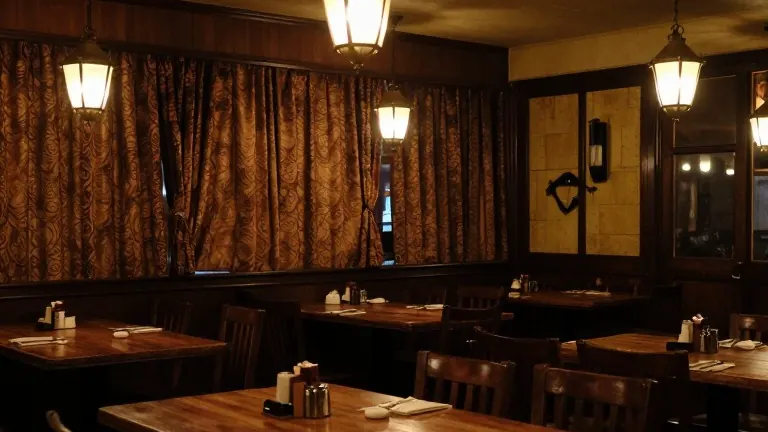
Ranji Smile opened Omar Khayyam, widely considered the first Indian restaurant in the United States, in late 1901. The establishment operated at 325 Fifth Avenue in New York City. The restaurant closed within one year of its launch.
Smile arrived in the United States in the summer of 1899 after sailing from London. He joined the kitchen staff at Sherry's Restaurant, a high-end dining spot on Fifth Avenue. Louis Sherry, the owner, invited Smile to cross the Atlantic after noticing his work in London. Smile had previously cooked at the Cecil and Savoy hotels.
At Sherry's, Smile became a popular figure among diners. He dressed in a satin coat and a blue silk turban while serving food. Customers enjoyed his dishes, which included Bombay duck and a creation called Lettuce Ceylon. Newspaper headlines noted that New York women were particularly enthusiastic about his presence in the kitchen.
In 1901, Smile left Sherry's to open his own establishment with the financial help of Roland R. Conklin. Conklin was a financier and the inventor of an early motorhome. The new restaurant featured Indian draperies, hanging lanterns, and staffed waiters wearing voluminous turbans. A group of Indian musicians also performed at the venue.
Despite the grand setup, customers did not keep coming. The New York Sun reported that diners had tired of Indian food, viewing it as a passing trend. Smile faced legal trouble before the restaurant opened. He claimed to be a prince, the son of the emir of Baluchistan, a title later described as fictional. He recruited staff in Bombay, including valets and mahouts for elephants.
A federal case alleged that Smile illegally trafficked this staff into the United States to work at Omar Khayyam. Smile avoided deportation, though many in his group did not. He later claimed Indian food improved female beauty and displayed his wives as proof. He continued to perform cooking demonstrations across the country, sometimes accompanied by jugglers and dancers.
By the 1920s, Smile had stopped cooking and listed his occupation as a merchant. The last recorded evidence of his life dates to 1937. A former wife filed for an annulment in New York Supreme Court after he disappeared. His brief restaurant venture preceded other successful Indian dining establishments in the US.