Clock Changes: The final transition may be approaching
Daylight saving time ends this Sunday, but a House-passed bill awaits a Senate vote that could stop the twice-yearly ritual permanently.
By Nour Haddad ·
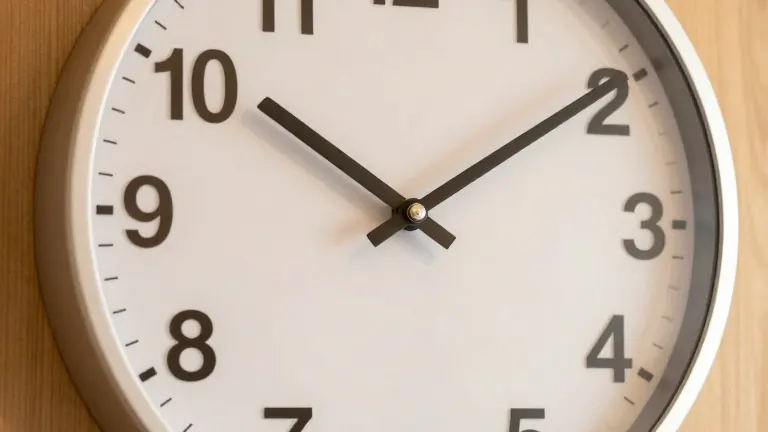
Residents across most of the United States will set their clocks back one hour this Sunday. While the ritual is routine this year, legislative momentum suggests this may be the last time Americans observe the seasonal shift.
The practice of changing clocks twice a year is facing potential elimination. President Donald Trump has publicly backed making daylight saving time permanent. Under that proposal, clocks would move forward in March and stay there all year. This would keep sunrise and sunset times consistent during the warmer months, though they would occur an hour later from early November through March.
The legislative process began with a strong show of support in the lower chamber. In July, the House passed the Sunshine Protection Act by a vote of 308 to 117. The bill aims to lock in the current summer time schedule as the standard year-round. The Senate must act on the measure before the end of the year to prevent the House approval from expiring.
Public opinion favors ending the biannual switch. A 2025 AP-NORC poll found that only 12% of Americans support the current system of moving clocks back in November and forward in March. Forty-seven percent oppose the changes, and 40% remain neutral. When asked about a permanent option, 56% of respondents preferred permanent daylight saving time, while 44% favored permanent standard time.
Preferences vary by individual habits. Among self-described morning people, support for permanent standard time edges out daylight saving time by a single percentage point, with 50% favoring standard time and 49% favoring daylight saving. This split highlights the tension between those who prefer earlier morning light and those who prefer later evening light.
A competing proposal exists that would favor a different outcome. The American Academy of Sleep Medicine supports the Sunshine for Our Kids Act. That bill would also end the twice-yearly clock changes, but it would make standard time permanent instead. Under that scenario, sunrises and sunsets would occur an hour earlier during the warmer months.
If the current Sunshine Protection Act becomes law, specific impacts will vary by location. Cities like Indianapolis would experience sunrise times later than 9 a.m. around Christmas. For now, most electronic devices will adjust automatically this Sunday, while non-digital clocks require manual resetting.