Clocks Fall Back Nov. 1 as Washington Debates Ending the Twice-Yearly Change
Daylight Saving Time ends Nov. 1, and a bill to end the clock changes passed the House in July but has not cleared the Senate.
By Aaron Foster ·
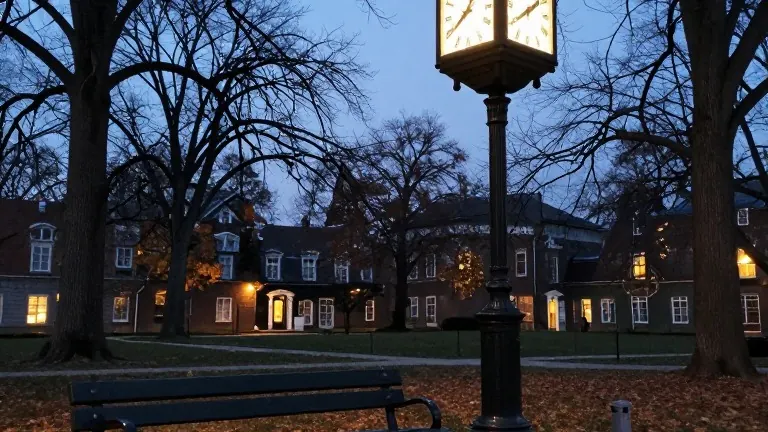
National Weather Service meteorologist Andrew Kienzle said sunset in Pittsburgh will land at 5:16 p.m. on Sunday, Nov. 1, when clocks fall back an hour at 2 a.m. Mornings will start getting lighter as evenings darken heading into winter.
"We're really going to start feeling that night approaching earlier as we get toward those 5pm sunsets which are set to kick off by the time we get to mid-November," Kienzle said. He added that the extra morning light will help people driving into the city for work.
The change arrives as President Donald Trump criticized senators this week for not passing a bill by Nov. 1 that would end the twice-annual clock adjustments nationwide. The Sunshine Protection Act cleared the House in July.
Some states have moved ahead on their own. The National Conference of State Legislatures counts 19 states with permanent Daylight Saving Time laws on the books. In Pennsylvania, House Bill 119 was introduced last year and sent to the Intergovernmental Affairs & Operations committee; it would amend an 1887 statute called the Time Standard Established. State senators also approved Resolution 46 in June 2025, calling for "a consistent, year-round time and eliminate the transitions between Standard Time and Daylight Saving Time." Any Pennsylvania measure would still need Congressional approval.
Clocks spring forward again on March 14, 2027.