Israel tears down homes of Hebron checkpoint attackers in bid to secure city before Tuesday vote
Military operations near Hebron have displaced over 3,000 Palestinians, drawing criticism from UN officials amid a disputed general election.
By Nour Haddad ·
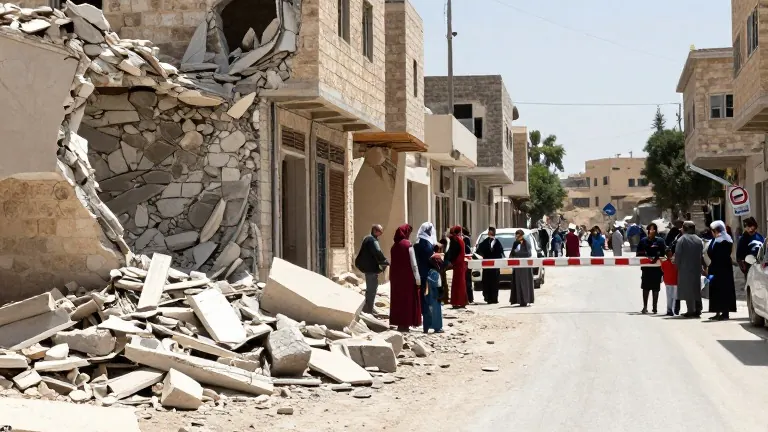
Israeli forces demolished the homes of two gunmen who killed soldiers at a Hebron checkpoint on October 23, marking the latest step in a military operation that has uprooted more than 3,000 Palestinians from the area. The demolitions occurred on Friday, one week after Prime Minister Benjamin Netanyahu ordered the Israeli military to expand its presence near the site of the double killing. While the Israeli government frames the offensive as a direct response to the attack, Palestinian officials argue the timing serves to energize the base ahead of the general election scheduled for Tuesday.
The homes destroyed on Friday had been occupied by the wives and children of the two gunmen, who were killed during the initial assault. Local residents state that the military forced these families and other neighbors to leave their properties over the preceding week. Israeli military officials announced the demolitions in a statement, declaring an intent to operate proactively and offensively to thwart attacks and protect residents. They confirmed the removal of structures but did not specify the total number of homes or businesses razed since the October 23 incident, though local officials report that shops, roads, and factories have also been destroyed.
The operation has resulted in the closure of most entrances to Hebron, severely restricting movement for Palestinians, including those requiring medical care. Volker Türk, the UN human rights chief, voiced grave concerns this week about the displacement. He described the threats to empty entire neighborhoods as raising serious questions of ethnic cleansing and noted the use of force appeared unnecessary and disproportionate. These comments land against a backdrop of rapid settlement expansion under Netanyahu's right-wing coalition, a trend deemed illegal by UN bodies and most nations, although Israel disputes that characterization.
Tensions escalated further on Friday in Kafr Malik, near Ramallah, where militant Israeli settlers confronted Palestinians during the olive harvest. Witnesses observed settlers shoving residents and preventing farmers from collecting olives while Israeli soldiers stood by. The military stated it responded to reports of Palestinians throwing stones at settlers and arrested two individuals, but it did not address the reports of settler aggression. A witness present during the incident in Kafr Malik said they did not see Palestinians throwing stones. The olive harvest, which runs from late September through November, has seen a surge in violence; the rights group Yesh Din counted at least 135 physical attacks on harvesters as of October 23.