Midterm Elections: 117 Million Independents Could Shift Control
Polling shows most independent voters still favor one major party, yet record spending and ballot access changes create openings for challengers in key states.
By Nour Haddad ·
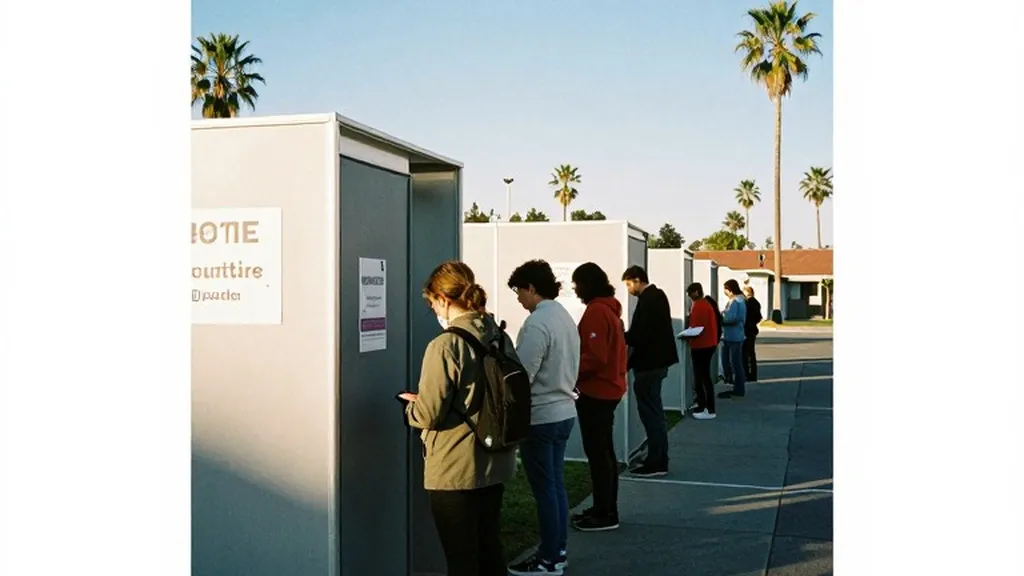
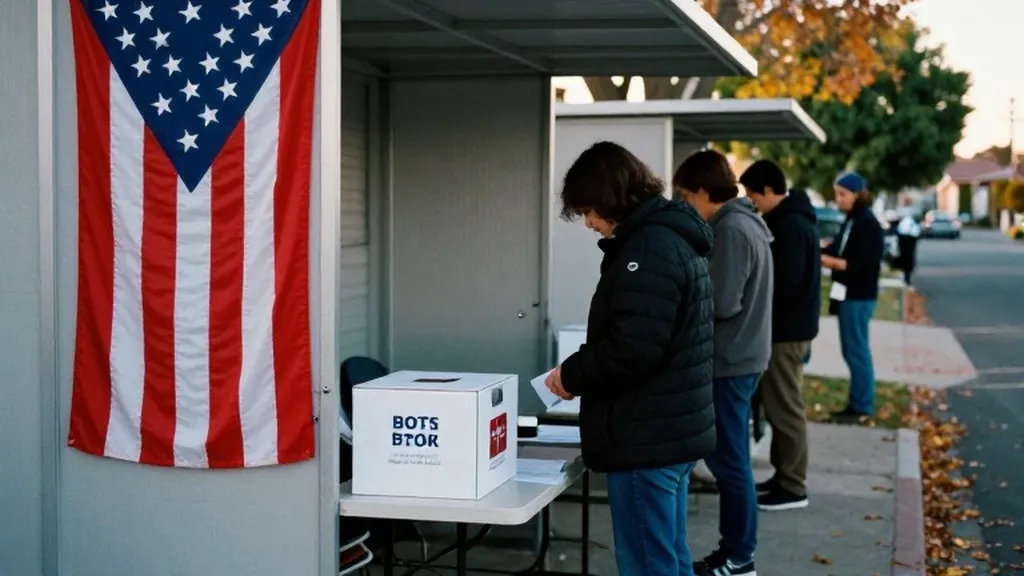
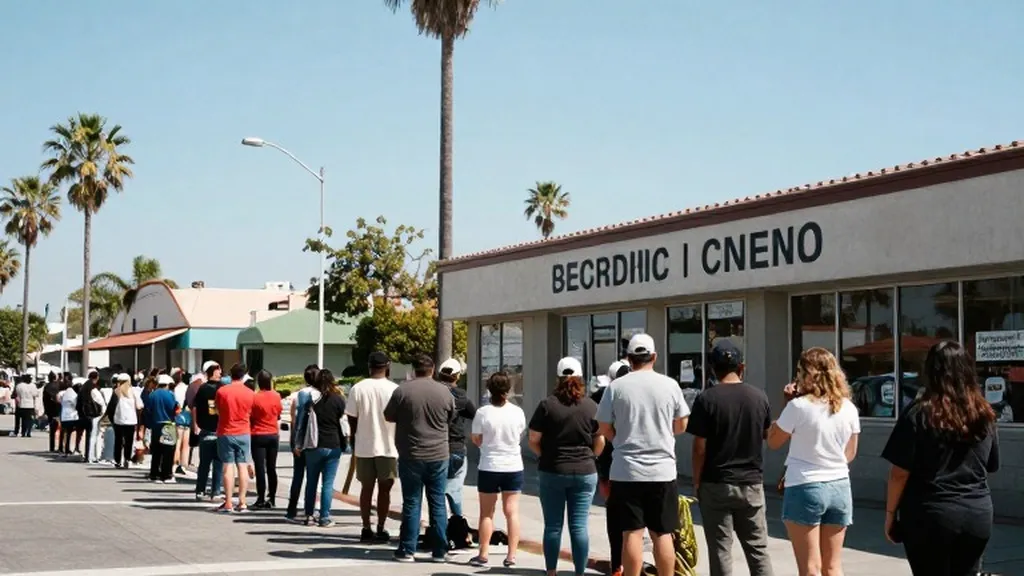
Voters in the United States head to the polls on Tuesday, with a record 117 million adults identifying as politically independent. This group represents roughly half of the American electorate and holds the potential to determine control of the US Congress and state legislatures.
Despite their numbers, independent candidates rarely win federal seats. The Democratic and Republican parties have dominated national politics for generations. Rick Bennett, the former Republican Party chair in Maine, is running as an independent for governor. He aims to become only the third person to hold that office without a major party label in state history. Bennett argues the electoral system is designed to frustrate voter independence.
Political scientist AJ Simmons notes that 2026 is shaping up to be one of the strongest cycles for independent candidates in recent memory. However, most self-described independents still lean toward one of the two major parties. Only 7% to 10% of the electorate holds no partisan leaning. According to Marist polling, 52% of likely independent voters support Democrats, while 39% back Republicans. Frustration with President Donald Trump drives many of these votes, with independent respondents more than three times as likely to say they are voting against the president.
The structural barriers remain high. The winner-take-all system in single-member districts makes it difficult for third-party candidates to concentrate support in enough areas to win. Bernard Tamas, a political scientist at Valdosta State University, says money is the primary obstacle rather than legal restrictions. The 2026 midterms are projected to reach $11.6 billion in political advertisement spending. The Democratic National Committee raised nearly $252.3 million, while the Republican National Committee took in about $341 million. Independent candidates typically raise far less and have lower name recognition.
Lesley Shedd, a Republican strategist, suggests that many independents are actually partisans who dislike specific policies or the culture of Washington. They often cast their votes for the viable major party candidate to avoid what they perceive as a wasted ballot. The Independent Leadership Council, launched in July by former Senator Joe Manchin, has raised more than $10 million to support independent congressional candidates.
Simmons identifies Nebraska and Montana as the two states where independent candidates might upset the expected outcome. In Nebraska, independent Senate candidate Dan Osborn, a 51-year-old Navy veteran, faces Republican Pete Ricketts. The Nebraska Democratic Party did not field a replacement nominee after its candidate withdrew. RealClearPolling rates the race a toss-up. Osborn is considered the most likely independent to win a seat this cycle.
In Montana, former University of Montana president Seth Bodnar is challenging Republican Kurt Alme for a Senate seat. Bodnar is backed by the Independent Leadership Council, which also supports California Congressman Kevin Kiley, a former Republican. A Democratic candidate, Alani Bankhead, may draw from the same pool of center-left voters, creating a risk of a three-way split that could allow the Republican to win with a plurality. Simmons warns that if this scenario plays out, the Republican Party would face a significant setback.
In Idaho and South Dakota, independent candidates are not expected to win. However, their presence is expected to force Republicans to spend more resources and time on races they typically consider safe. Historically, the impact of independent candidates has been to pressure major parties to adjust their policies and governance approaches.