Riverside voters decide open governor race amid 18-18 national split
With polls open from 7 a.m. To 8 p.m. In California, residents in Riverside and surrounding cities cast ballots in a state where the governor's office is vacant, while 36 states nationwide contest the executive branch.
By Aaron Foster ·
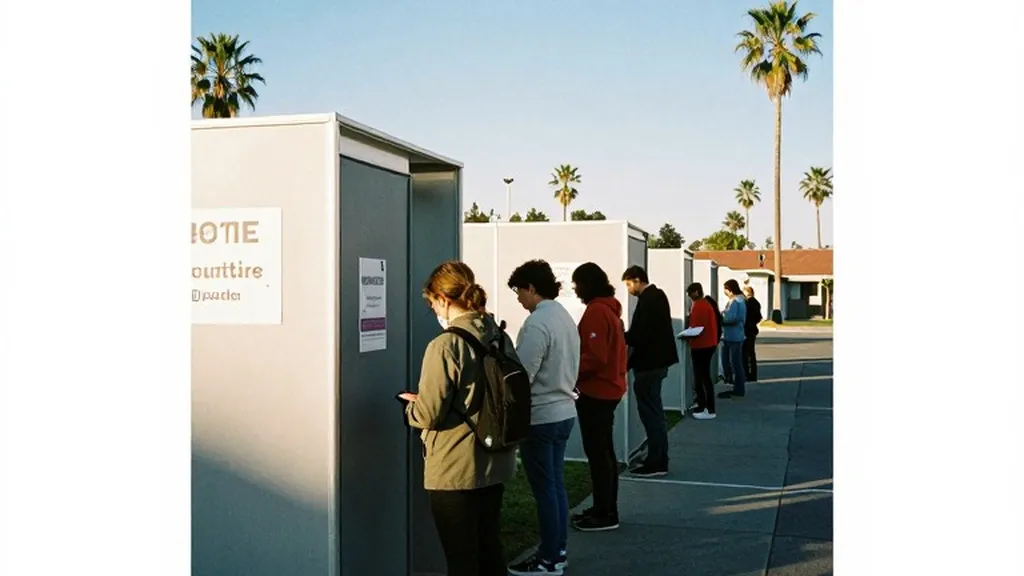
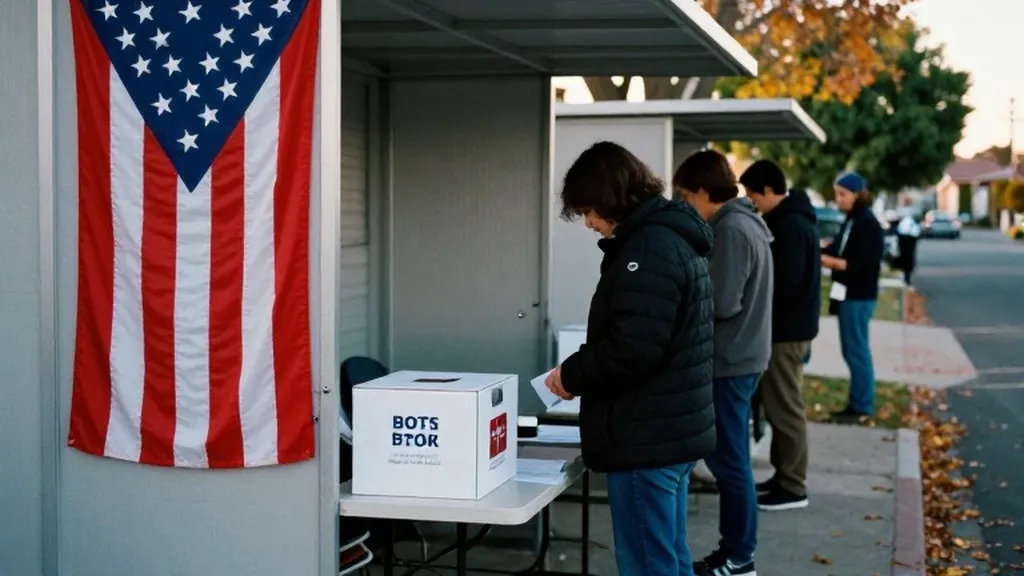
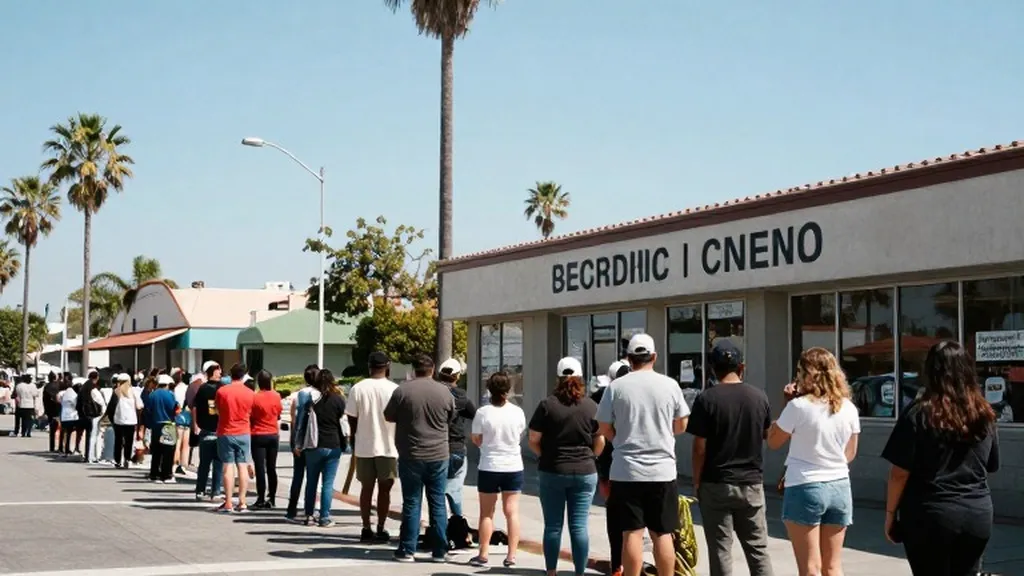
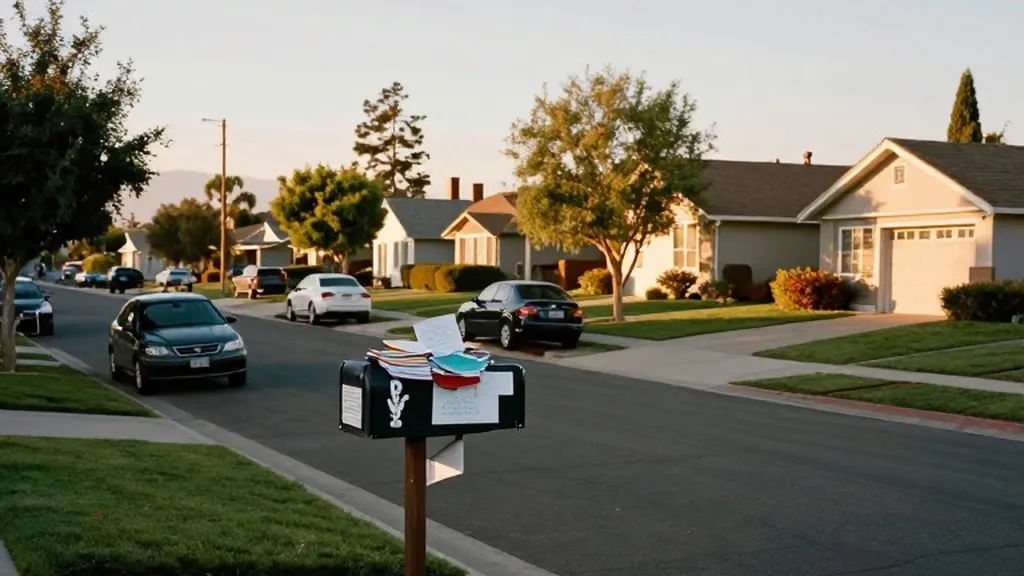
In Riverside and across Southern California, voters began heading to polling places at 7 a.m. On Tuesday, November 3, 2026, to participate in the midterm election. California polls will remain open until 8 p.m. Local time. The state conducts its elections largely by mail, but in-person voting is available for those who did not return their ballots earlier. Residents in Anaheim, Riverside, San Bernardino, Fontana, Moreno Valley, and Ontario are deciding not only the state's next governor but also every U.S. House seat in the state, state legislative offices, and various local measures.
The race for California governor is particularly significant because it is an open seat with no incumbent on the ballot. The Democratic and Republican parties are the only parties on the ballot for this position. This contest is part of a broader national trend where 19 of the 36 governor races lack an incumbent. In these 19 states, the absence of a sitting governor is due to term limits or the choice of the former officeholder not to run. In California's specific case, the office is vacant as part of this group of 19 open seats.
Nationally, the governor races are poised to determine control of the executive branch. Heading into this election, Republicans hold 26 governor's offices and Democrats hold 24. Of the 36 offices on the ballot this year, the parties hold an even 18 to 18 split. Democrats would need a net gain of two governorships to achieve a nationwide majority, a status Republicans have held since 2010. The Associated Press notes that Democrats hope to hold a majority of governorships for the first time in two decades, a goal that depends on performance in both safe and competitive states.
Nine governor races are considered battlegrounds. These include Alaska, Arizona, Georgia, Iowa, Kansas, Michigan, Nevada, Ohio, and Wisconsin. In these states, the outcome could shift the national balance of power. For instance, in Georgia, Republican health care executive Rick Jackson faces Democratic former Atlanta Mayor Keisha Lance Bottoms. In Nevada, Republican Gov. Joe Lombardo runs against Democratic Attorney General Aaron Ford. The Associated Press identifies Texas, Florida, and Iowa as competitive governor races, with the outcome potentially influencing the broader narrative of the midterm election.
Several prominent governors have decided not to run for re-election this year. Iowa's Kim Reynolds, Minnesota's Tim Walz, and Wisconsin's Tony Evers chose not to seek another term. In Rhode Island, Daniel McKee lost his primary. Additionally, 15 governors are term-limited and thus ineligible for a fourth consecutive term. This high turnover in executive leadership is a defining feature of the 2026 cycle, with 19 open seats representing a significant opportunity for the party currently out of power in those states to gain ground.
The mood of the election, as described by the Associated Press, is that of a referendum on President Donald Trump's second term. Polling data indicates that 35% of U.S. Adults approve of Trump's job performance, while 25% approve of his handling of the economy. About 7 in 10 respondents say the country is heading in the wrong direction. More than 57 million people had already voted as of Monday, surpassing the early vote totals from four years ago in many closely watched states. This high level of early participation suggests a robust turnout on Election Day as well.
In the U.S. Senate, 35 seats are up for election, including 33 regular seats and two special elections. Republicans hold 53 seats and Democrats hold 45, with two independents who caucus with Democrats. Democrats need a net gain of four seats to regain the majority, while Republicans can lose only two. Eleven senators are not running again, including four Democrats and seven Republicans. The Associated Press highlights key matchups in states such as North Carolina, Georgia, Ohio, and Michigan, where the results could tip the balance of power in the upper chamber.
For U.S. House elections, all 435 seats are on the ballot. Republicans currently hold 218 seats and Democrats hold 214. Democrats need a net gain of three districts to secure a majority. Six states, including California, are using new congressional maps after mid-decade redistricting. Republicans were bracing to lose the House, while Democrats were cautiously optimistic. The outcome in the House will determine which party controls the agenda for the final two years of the current presidential term.
Voters in California are also considering several ballot measures, including Proposition 1 on housing bonds and Proposition 2 on budget stabilization. Proposition 39 requires voters to present government-issued identification when casting ballots. These measures reflect the ongoing debate over election administration and state fiscal policy. The U.S. Postal Service has added hours and staff to ensure that mail ballots are counted on time, a critical step given the state's reliance on mail-in voting.
As polls open across the country, the focus remains on turnout. RNC Chairman Joe Gruters stated that everything depends on turnout, noting that if Republicans turn out their voters, they win. DCCC Chair Rep. Suzan DelBene countered that the American people are angry and want change. In California, the combination of an open governor race, a new congressional map, and a high volume of mail-in ballots creates a complex and high-stakes voting environment for residents in Riverside and the surrounding region.