Riverside voters weigh Senate races, state ballot measures today
With polls open from 7 a.m. To 8 p.m., the outcome of 13 key Senate contests will determine the balance of power in Washington while Californians decide on major housing and tax measures.
By Aaron Foster ·
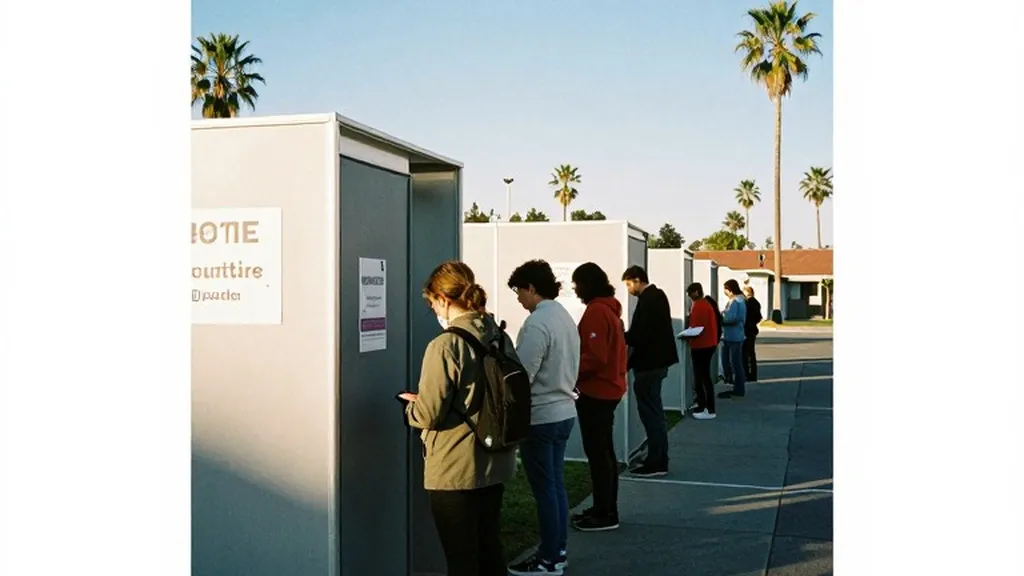
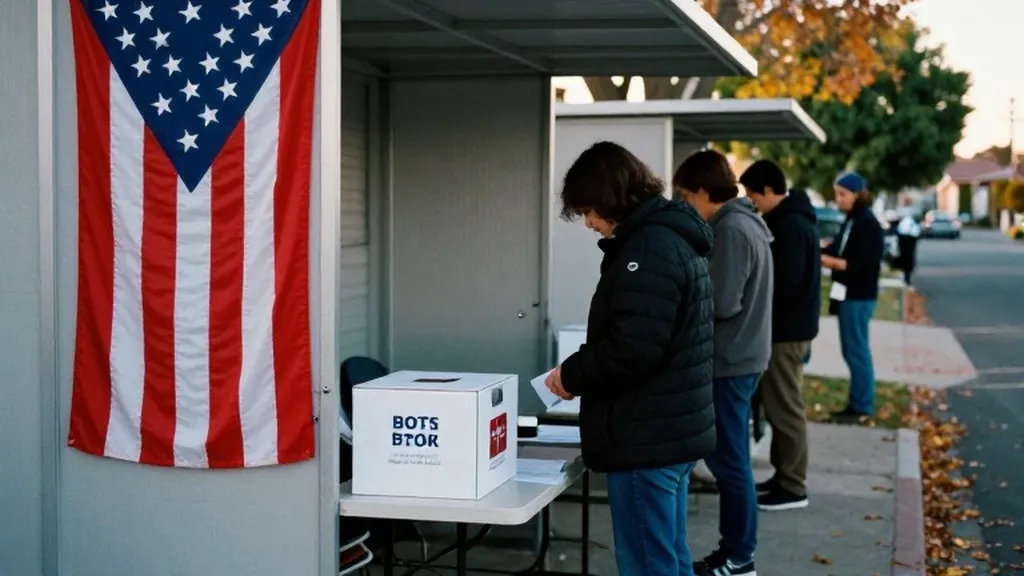
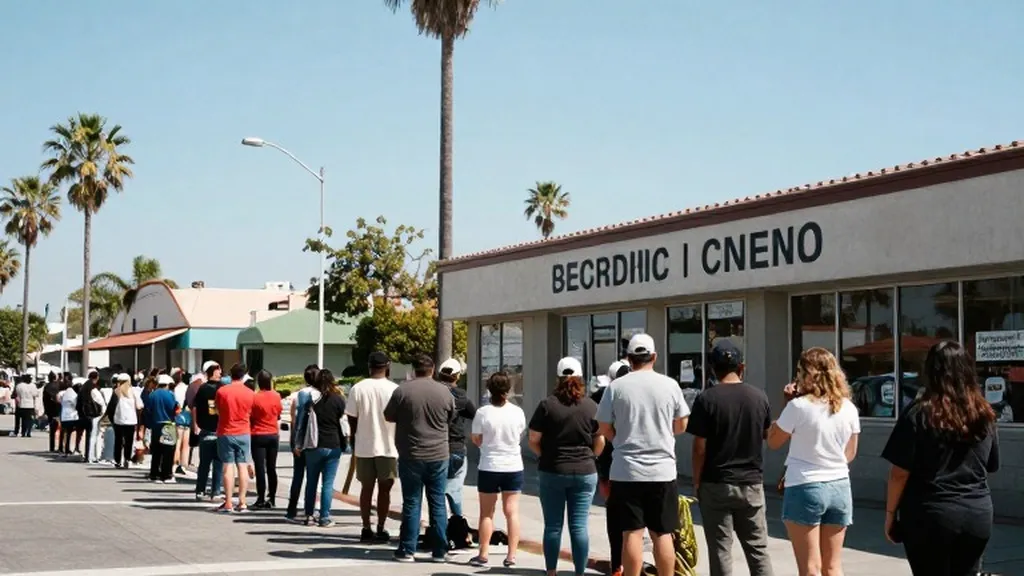
Voters in Riverside County are casting ballots on Tuesday, November 3, 2026, in a midterm election that will shape the final two years of President Donald Trump's second term. Polls in California are open from 7 a.m. To 8 p.m., with the state conducting its election largely by mail. Residents of Anaheim, Riverside, San Bernardino, Fontana, Moreno Valley, and Ontario are heading to polling places or counting mail-in ballots to decide who controls the United States Congress. The stakes are high, as the results will determine which party holds the legislative agenda for the remainder of the current administration.
In California, there is no U.S. Senate election this year, but the state is deciding a new governor in an open seat with no incumbent running. Voters are also weighing in on every U.S. House seat in the state, where all 435 national seats are up for grabs. The Associated Press notes that Democrats need a net gain of three districts to take the House, while Republicans can lose no more than two. Californians are also voting on several significant ballot measures, including Proposition 1, which proposes issuing $11.25 billion in bonds to fund multifamily housing and the CalVet Home Loan Program, and Proposition 37, which aims to establish a second mortgage homebuyer program funded by $25 billion in bonds.
The national focus is heavily concentrated on the 35 U.S. Senate seats up for election, which include 33 regular contests and two special elections. Republicans currently hold 53 seats, while Democrats hold 45, plus two independents who caucus with the Democratic party. Democrats need a net gain of four seats to secure a majority, whereas Republicans can lose only two to maintain control. Eleven senators, four Democrats and seven Republicans, are not running again. The winners of these races will begin their six-year terms on January 3, 2027, setting the stage for legislative battles in the coming years.
Thirteen Senate races are considered battlegrounds, with outcomes that could tip the balance of power. In Georgia, Democratic incumbent Jon Ossoff is facing Republican Representative Mike Collins in a state that Trump won by 2.2 percentage points in 2024. In Maine, Republican incumbent Susan Collins is challenging Democratic former state Senate President Troy Jackson. The Associated Press highlights that economic strain and tariffs have made Maine a competitive race, with the state rated a toss-up by all four major polling organizations. In North Carolina, Democratic former Governor Roy Cooper is running against former Republican National Committee chair Michael Whatley for the seat of retiring Senator Thom Tillis.
Other key matchups include Ohio, where Democratic former Senator Sherrod Brown faces Republican incumbent Jon Husted in a special election. In Michigan, Republican former Representative Mike Rogers is running against Democrat Abdul El-Sayed, a race that has seen notable endorsements, including one for Rogers from El-Sayed's former primary opponent, Haley Stevens. In Texas, Republican Attorney General Ken Paxton, who was backed by President Trump over incumbent John Cornyn in the primary, is facing Democrat James Talarico. These races are closely watched as they involve states with significant electoral influence and recent shifts in political alignment.
The Associated Press describes the election as a referendum on President Trump's second term, with voters expressing frustration over high prices and an unpopular war with Iran. Recent AP-NORC polling indicates that 35 percent of U.S. Adults approve of Trump's job performance, while only 25 percent approve of his handling of the economy. About seven in 10 Americans say the country is heading in the wrong direction, with most blaming the president for rising costs. More than 57 million people had already voted as of Monday, surpassing the early vote totals from four years ago in many closely watched states, signaling high engagement despite the political climate.
In Riverside County, voters are also considering Proposition 39, which would require voters to present government-issued identification when casting ballots and mandate that election officials use government data to confirm voter citizenship. This measure is part of a broader national conversation about election administration, as a federal judge temporarily barred the Trump administration from carrying out a plan to prevent noncitizen voting. The judge also ordered the administration to stop demanding that California election officials segregate ballots cast by people on lists of suspected noncitizens, a move that critics say risks disenfranchising eligible voters.
The U.S. Postal Service has added hours, staff, and special lines to ensure that mail ballots are counted on time, reflecting the importance of timely results in this election. Wall Street is watching the outcome closely, as results could add to investor concerns about AI spending and debt ceiling negotiations. The financial markets are particularly interested in how the balance of power in Congress will affect fiscal policy and regulatory oversight in the coming years.
As polls open, the mood among voters is mixed. Republican National Committee Chairman Joe Gruters stated that everything depends on turnout, emphasizing that if Republicans turn out their voters, they will win. Conversely, Democratic Congressional Campaign Committee Chair Suzan DelBene said that the American people are angry and want change. In Palm Beach Gardens, Florida, voter Mark Barker expressed support for Trump, while in Raleigh, North Carolina, librarian James Moore cited rising taxes and healthcare costs as reasons for his vote. These personal anecdotes reflect the broader national divide on economic issues and the direction of the country.