Riverside voters weigh record spending in most expensive election in history
California polls open at 7 a.m. For a midterms defined by unprecedented ad spending, with Republican committees leading in total funds while Democrats hold a candidate-level advantage.
By Stella Brooks ·
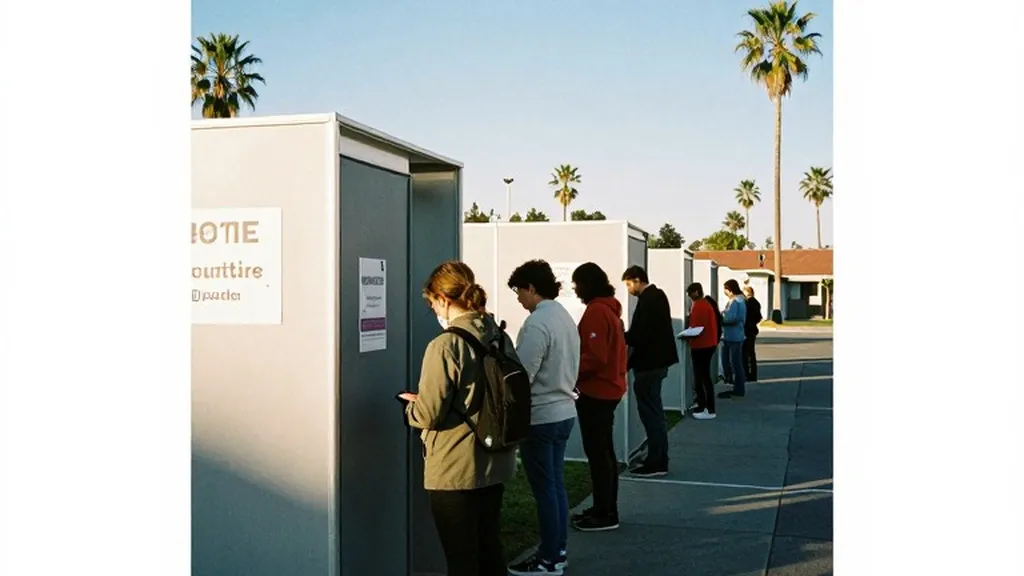
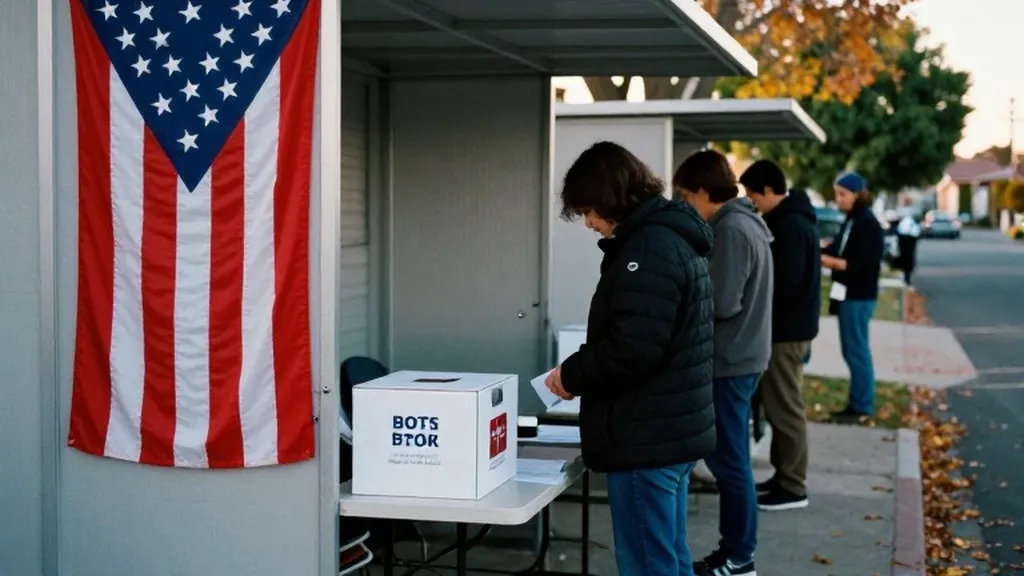
In Riverside County, residents in Anaheim, Riverside, San Bernardino, Fontana, Moreno Valley, and Ontario are heading to the polls today to decide the composition of the U.S. Congress for the final two years of President Donald Trump's second term. California polls open at 7 a.m. And close at 8 p.m. Local time. The state conducts its elections largely by mail, but voters still have the option to visit a polling place if they have not already cast a ballot. Ballotpedia confirms that every U.S. House seat in the state is on the ballot, along with a race for governor in which no incumbent is running.
The local stakes are part of a national battle that has generated the most expensive midterm election in history. According to an analysis, the 2026 cycle is expected to surpass all previous records for financial outlays. This surge in spending reflects the high intensity of the contest, where the results will determine which party controls the House and the Senate as the administration enters its final stretch.
Financial dynamics are playing a central role in how campaigns are being fought. Republican committees have outraised and outspent their Democratic counterparts at the committee level. This advantage has been bolstered by contributions from Trump-affiliated groups and prominent individuals, including Elon Musk. However, the picture is more complex when looking at individual candidates. At the candidate level, Democrats have outraised their Republican opponents, suggesting a divergence in how funds are being deployed across the different tiers of the election infrastructure.
The allocation of these funds has been heavily concentrated in areas where the current president won in 2024. An Associated Press analysis of AdImpact data reveals that 88.1% of Republican general election television advertising spending went to states and districts that Donald Trump carried in the previous cycle. Within that total, more than $850 million was spent in locations where he won by a margin of 10 points or more. This strategy indicates a focus on fortifying Republican control in solidly red areas while also competing in key battlegrounds.
Despite the committee-level spending edge, Democratic officials have expressed cautious optimism about their position. Rep. Suzan DelBene, the chair of the Democratic Congressional Campaign Committee, stated that the American people are angry and want change. Her comments reflect the mood among Democratic strategists who are bracing for a competitive night in the House, where Democrats need a net gain of three seats to reclaim the majority. Republicans, who currently hold 218 seats, can afford to lose no more than two districts to maintain their control.
In the Senate, the stakes are equally high with 35 seats up for grabs. Democrats need a net gain of four seats to secure a majority, while Republicans can only lose two. The Associated Press notes that one or two seats could tip either chamber, making the outcome uncertain until the final votes are counted. Several states, including California, are using new congressional maps following mid-decade redistricting, which may alter the competitive landscape for House seats in the region.
Voters in Riverside County are casting ballots not only for federal offices but also for the open governor's seat in California. The race for governor is one of 36 on the ballot nationwide, with Republicans and Democrats each holding 18 of the contested offices. The outcome of this race will influence the balance of power in statehouses across the country, where Democrats would need a net gain of two governorships to achieve a nationwide majority for the first time since 2010.
The election is being described by the Associated Press as a referendum on the president's second term. Polling data indicates that 35% of U.S. Adults approve of Trump's job performance, while about seven in 10 say the country is heading in the wrong direction. Many voters blame the administration for high prices, a sentiment that is driving engagement among both parties. More than 57 million people had already voted as of Monday, surpassing early voting totals from four years ago in many closely watched states.
Administrative issues have also cast a shadow over the day. A federal judge temporarily barred the Trump administration from implementing a plan to prevent noncitizen voting, a move that critics say risks disenfranchising eligible voters. In California, a judge ordered the administration to stop demanding that election officials segregate ballots cast by people on lists of suspected noncitizens. These legal developments are part of a broader effort by the administration to scrutinize voter rolls, which has raised concerns among Democrats about potential interference in the count.
The election is also a test for the Republican Party's ability to beat the historical pattern of losing seats in midterm elections. Redistricting efforts in states like Florida and California have created new districts that may not vote as initially predicted. As polls close at 8 p.m. In Riverside County, voters in the region will cast their ballots in a contest defined by record spending and a sharp divide over the direction of the nation.
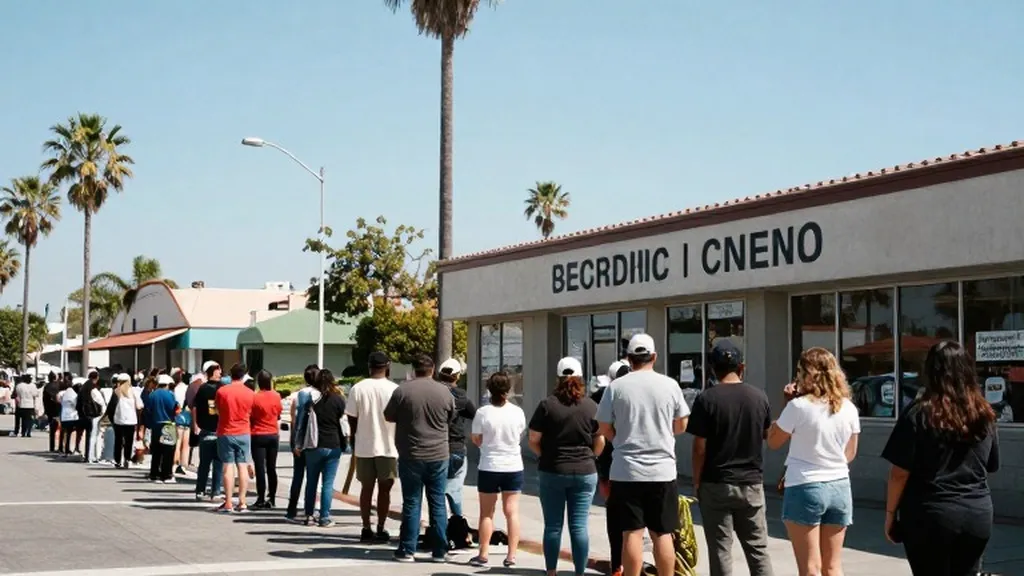
Wall Street is also watching the results closely, with Reuters noting that the outcome could impact investor concerns regarding AI spending and debt ceiling negotiations. The financial markets are particularly interested in whether a change in congressional control will lead to new oversight or investigations. For now, the focus remains on the voters in lines across Riverside County and the rest of the nation, who are making decisions that will shape the final two years of the current presidential term.