Nuclear Lab Fire Prompts Emergency, Lifted After Four Hours
A Site Area Emergency was declared at the Savannah River National Laboratory in South Carolina on Wednesday evening but resolved by late night with no radioactive contamination detected.
By Aaron Foster ·
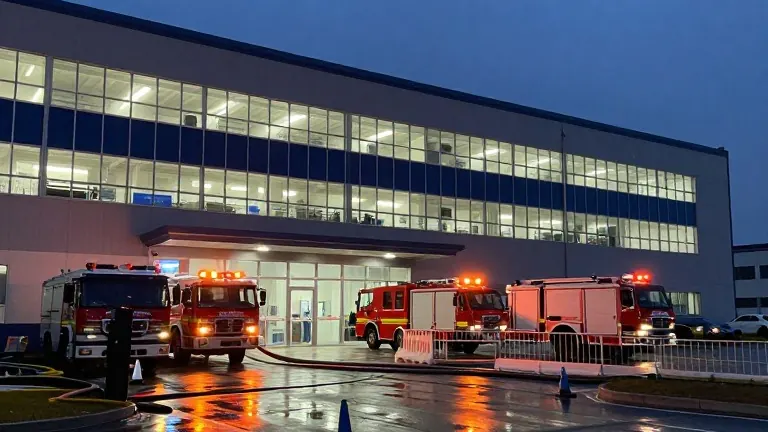
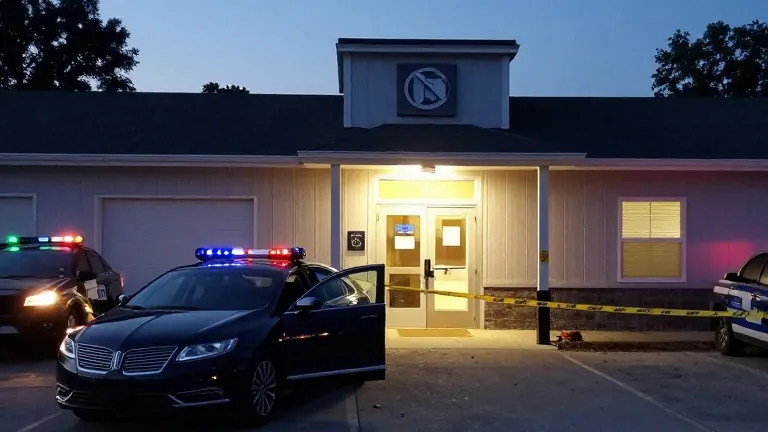
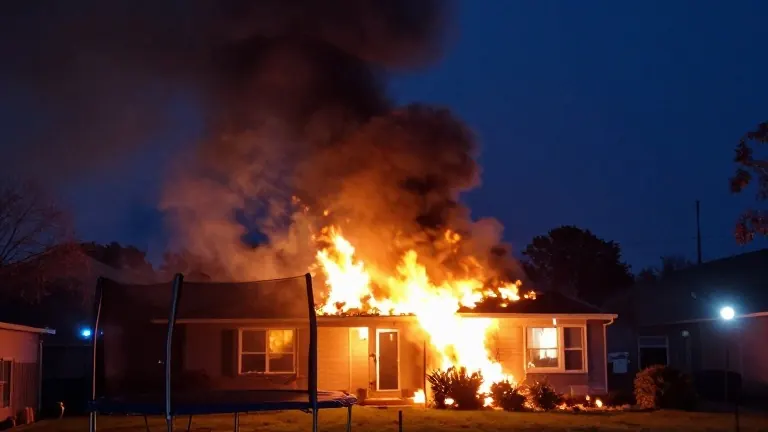
A Site Area Emergency was declared at the Savannah River National Laboratory in South Carolina on Wednesday evening and lifted four hours later after firefighters extinguished a fire in a laboratory. One employee was hospitalized with minor injuries. Officials confirmed no detectable radioactive contamination was found during the response.
The emergency began at 5:39 p.m. local time. Firefighters worked to put out the blaze, and officials performed checks to ensure the safety of the surrounding area. By 9:45 p.m., the emergency status was removed. A Department of Energy spokesperson stated that no radiological contamination had been reported.
Once the situation was under control, officials lifted protective measures and reopened barricades that had been placed as a precaution. Highway 125 remained open throughout the incident. Traffic at the site entrances returned to normal after the temporary barriers were removed. Rail, river, and air traffic near the site had been restricted while the response was active.
A notification from the Savannah River Site indicated that there were currently no operational emergencies or scheduled delays at the facility. Workers due to start their shifts were told to report as usual. Other employees were instructed to return to work as scheduled on Thursday, October 29. Staff who had been told to shelter in place were given the all-clear to resume normal duties.
State and local authorities were notified of the incident. Residents were advised to monitor local radio and television for updates and any further instructions. The Savannah River Site is a major part of the US nuclear weapons complex. It has supported the country’s strategic deterrence program for more than 75 years.
The facility manages nuclear materials and radioactive waste. Clean-up operations at the site are intended to protect the surrounding environment. The site was built in the 1950s, when five reactors were constructed to produce materials used in nuclear weapons, mainly tritium and plutonium-239. Supporting facilities included two chemical separation plants.
The Department of Energy has described the site as a key part of the country’s national security infrastructure. The agency says the safety of workers, the public, and the environment is a priority.