Proposition 39 Trails in Early Returns
The voter ID measure stood at 40.4 percent in favor as of 11 p.m. Tuesday.
By Nour Haddad ·
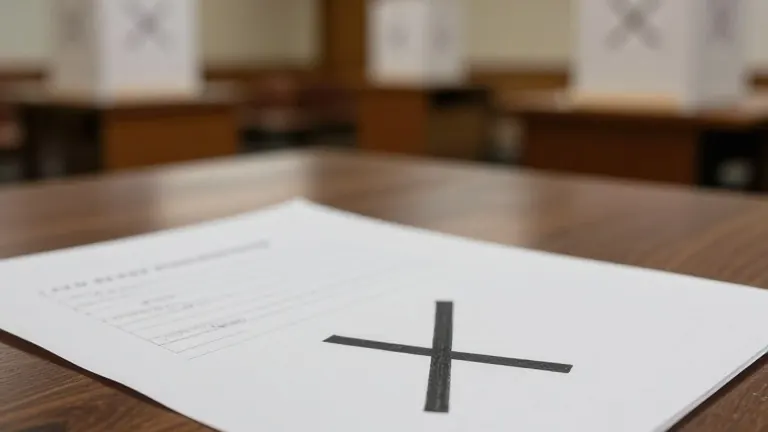
Preliminary statewide results released by the California Secretary of State at 11 p.m. Tuesday showed Proposition 39 trailing by a wide margin. The measure, which seeks to change identification requirements for voting, had received 2,676,685 votes in favor. It had 3,946,978 votes against. The vote count stood at 40.4 percent for and 59.6 percent against.
The proposal requires individuals voting in person to present government-issued identification. For mail-in ballots, the measure would require voters to designate a specific government-issued ID number during registration. Voters would then list the last four digits of that ID on their ballot envelope. Election workers would compare those digits against the registration record before counting the ballot.
The specific ID number chosen matters under the official ballot summary. A mail ballot would not count if the voter supplied digits from a different ID than the one designated in their registration, even if both documents belonged to the same person. Currently, California establishes voter identity during registration. Most in-person voters sign a voter list, while mail voters sign their envelope. Election workers verify signatures, and U.S. citizenship is already a requirement for state and federal elections.
The campaign split into two distinct camps. Supporters, including Reform California led by Republican Assemblymember Carl DeMaio, argued that stricter identification rules would strengthen election integrity. Opponents, such as the ACLU of Northern California, warned the changes would create unnecessary obstacles for eligible voters.
If the measure passes, the state must provide free voter ID cards to anyone who requests them. State and local elections officials would use government data to verify registered voters' citizenship. They would report annually on how much of each county's voter roll has been verified. The state auditor would review compliance in odd-numbered years.
Full implementation depends on future legislation. Lawmakers would need to decide which forms of identification are acceptable and define the specific citizenship-verification efforts required. The Legislative Analyst's Office estimates the additional annual state and local costs would range from tens of millions to low hundreds of millions of dollars.
More Politics · Anaheim news · Report a business · Got a Story?