Sinclair Lewis won the first American Nobel Prize in Literature in 1930
The novelist received the award 96 years ago today, becoming the first U.S. citizen to claim the honor.
By Aaron Foster ·
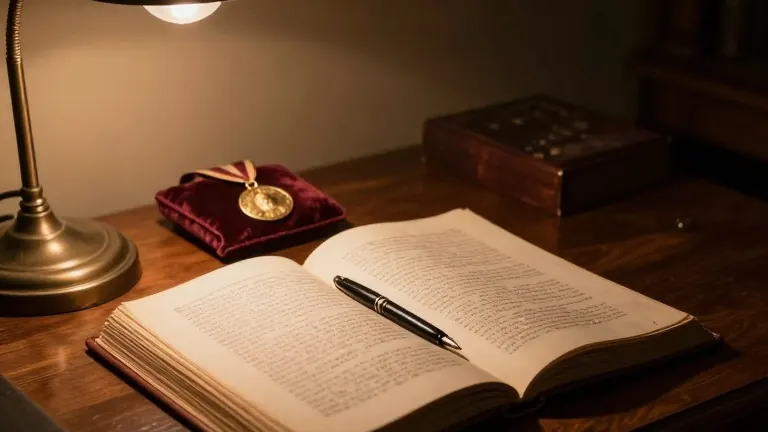
November 5 marks a milestone in American literary history that occurred 96 years ago. In 1930, the Swedish Academy awarded the Nobel Prize in Literature to novelist Sinclair Lewis.
Lewis was the first writer from the United States to receive the distinction. The prize recognized his work, which often satirized Midwestern small-town life and American society. He accepted the award while still living in the United States, making him the first American to do so.
The Nobel Prize in Literature is one of five annual awards given by the Nobel Foundation. It is presented to an author who has produced work in the service of humanity. Lewis’s victory signaled the growing international recognition of American literature during the early 20th century.
The award was not without controversy at the time. Some critics argued that Lewis’s cynical view of American life was too harsh to represent the nation’s literary best. Others welcomed the recognition as proof that American novels had achieved global stature.
Lewis continued writing after receiving the prize. He published several more novels and short story collections in the years following 1930. The Nobel recognition solidified his place in the canon of major American authors.
The 1930 award stands as a specific historical marker for U.S. cultural achievements. It preceded the wins of other American authors such as Eugene O’Neill, Ernest Hemingway, and Toni Morrison. Those later winners built upon the foundation Lewis laid for American literary prestige on the world stage.
Sinclair Lewis died in 1951. His name remains associated with the first American Nobel Prize in Literature, a fact often cited in discussions of the prize’s history.