Strikes and Stalls: U.S. Bombs Iranian Air Defense as Mediators Pitch Deal
New attacks on Qeshm Island coincide with Qatari proposals aimed at easing tensions after a decisive Republican loss in Tuesday's midterms.
By Nour Haddad ·
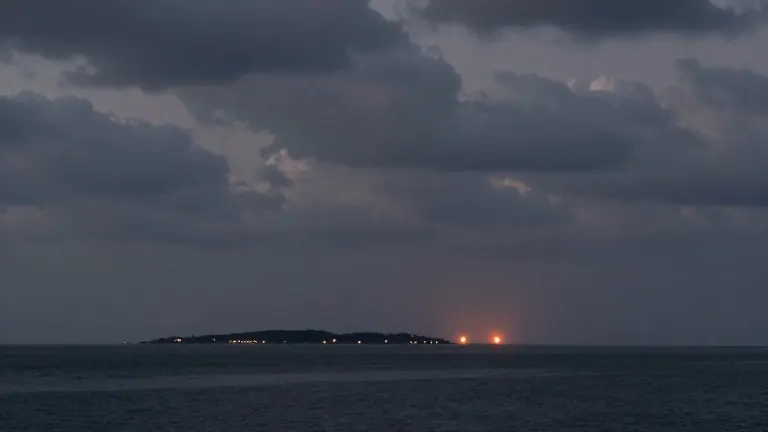
President Donald Trump confirmed on Friday that the U.S. military executed limited strikes against an Iranian air defense system.
The attack occurred in the Suza area of Qeshm Island, a key location in the Strait of Hormuz used for oil shipments. Iranian state media reported hearing two explosions in the region. Trump described the action as minor, stating to reporters in West Palm Beach, Florida, that the military knocked out an anti-aircraft device in about 15 minutes. This follows defensive strikes reported on Monday in Qeshm, Hengam, and Bandar Abbas.
These Friday strikes mark the first U.S. offensive action since Republicans lost control of both chambers of Congress in Tuesday's midterm elections. Voter dissatisfaction with the war's impact on fuel prices contributed to the electoral defeat. In the days since the vote, Trump has oscillated between threats to destroy Iran and suggestions that a resolution is near. The conflict has lasted more than eight months, with U.S. officials assessing that Iran is attempting to rebuild military infrastructure damaged during a June 2025 bombardment by Israel.
Diplomatic efforts are intensifying as Iran reviews proposals presented by Qatari mediators. Two Middle East government officials said the Iranians are examining these plans to address differences regarding Tehran's nuclear program. However, one official noted that Iran remains unwilling to negotiate until the U.S. agrees to core conditions for a ceasefire. These demands include ending the U.S. blockade on Iranian ports, lifting sanctions, unfreezing assets, paying compensation for war damage, and halting Israeli operations in Lebanon.
Regional officials indicated that mediators are discussing a bridge deal involving trust-building measures over two days. The proposal calls for the U.S. to lift its blockade and release billions of dollars in frozen Iranian funds. In exchange, Tehran would allow International Atomic Energy Agency inspectors access to bombed sites. On the second day, Iran would reopen the Strait of Hormuz under a temporary arrangement agreed upon with Oman. This mechanism would serve as a stopgap until a permanent deal with Gulf countries is finalized.
U.S. Central Command announced late Friday that it is offering a reward of up to $20 million for information on Iran's nuclear program. The offer includes potential relocation for informants and links to the State Department's Rewards for Justice program. Iran currently holds 440.9 kilograms of uranium enriched to 60 percent purity, according to the IAEA, a short step from the 90 percent level required for weapons. Trump stated that the U.S. is in control of the conflict, while the White House declined to comment on the specific Qatari proposals.
Defense Secretary Pete Hegseth spoke by phone with Qatari counterpart Sheikh Saoud bin Abdulrahman Al Thani on Friday. This conversation followed a separate call between Trump and the Qatari emir to discuss de-escalation. Iranian Foreign Minister Abbas Araghchi also held calls with his Iraqi and Tunisian counterparts. Egyptian Foreign Minister Badr Abdelatty emphasized the need for flexibility to prevent further escalation after speaking with Araghchi and his Emirati counterpart.