Trump swaps Iowa and Kansas rallies for phone events
The RNC says telerallies will reach voters in nearly two dozen states, a strategic shift as the president focuses on South Carolina.
By Stella Brooks ·
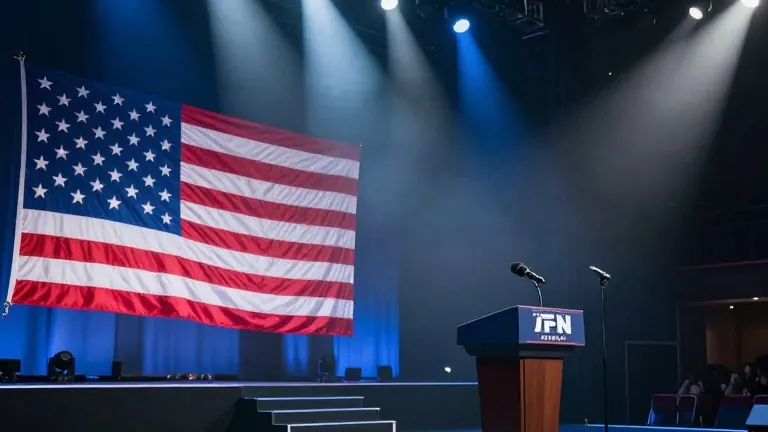
President Donald Trump replaced his scheduled weekend rallies in Iowa and Kansas with telephone events on Thursday, a change the Republican National Committee said will allow him to address voters in nearly 20 states simultaneously.
The RNC announced the shift on Thursday evening, describing the new format as a 72-hour sprint. The organization stated that telerallies would maximize the president's ability to speak to voters nationwide in the final days of the midterm election. As of Thursday, Trump had held 25 rallies during October, falling short of a personal goal he had previously set at more than 30 events.
The president traveled to South Carolina on Thursday for the second time in a month to support Darline Graham in her U.S. Senate race against Democrat Annie Andrews. Graham was appointed to the seat in July following the death of her brother, Sen. Lindsey Graham, and became the party nominee in August. Trump praised Graham, saying, She’s got the gene, while Andrews urged voters to try something new for once.
Voters in South Carolina have not elected a Democrat to the Senate in nearly three decades. However, the race has intensified amid public frustration with the economy and the war in Iran. Republican Sen. Roger Marshall faces Democrat Adam Hamilton in Kansas, a state where Trump said he would not travel because Marshall is doing very well. In Iowa, the president was originally scheduled to campaign on Sunday.
A campaign strategist with Republican Senate leadership said there was widespread curiosity about the schedule change. The strategist noted that Trump has held rallies in smaller venues than usual this month. Under the telerally format, the president is expected to speak for about 10 minutes, compared to the more than 90 minutes he typically devotes to in-person speeches.
Trump projected confidence upon returning to the White House, stating, We're going to have a strong Tuesday night. He dismissed concerns about his health after noting a raspy voice during a stop in Mississippi on Monday. When asked if health issues caused the cancellation of the Kansas trip, Trump replied, I feel perfect.
Democrats responded quickly to the strategic pivot. Abdul El-Sayed, the Democratic Senate candidate in Michigan, said the president’s effort to energize GOP voters had backfired. El-Sayed claimed Trump has given up and fully lost the midterms for his party. The president plans to hold an in-person rally in Daytona Beach, Florida, on Friday, though the White House has not published a schedule for Monday, the final day of the campaign.
The shift in tactics occurs as both parties monitor tight contests in Texas, Ohio, and Alaska. In Alaska, the Justice Department issued new grand jury subpoenas following a report that the campaign of Democratic candidate Mary Peltola may have recruited a candidate with the same name as Republican incumbent Dan Sullivan. Trump called the development a conspiracy and questioned whether Peltola would be seated if she won.