Catholic Horror: Why Hollywood Keeps Returning to the Church
A new book argues that Catholic theology offers horror filmmakers a built-in framework for suffering, sacrifice, and demonic authority that other faiths do not provide.
By Nour Haddad ·
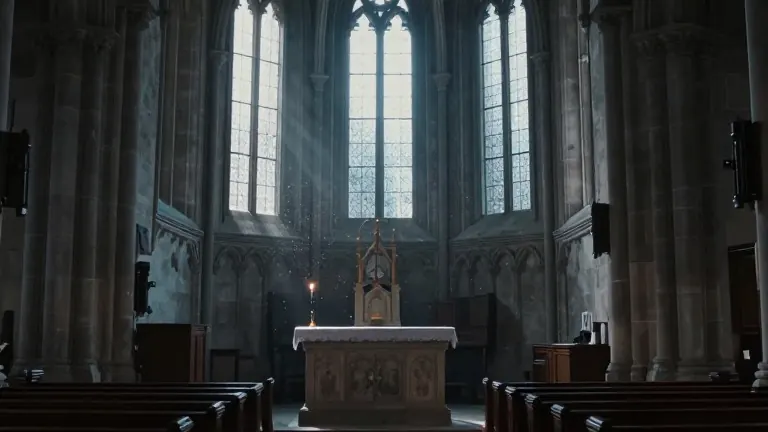
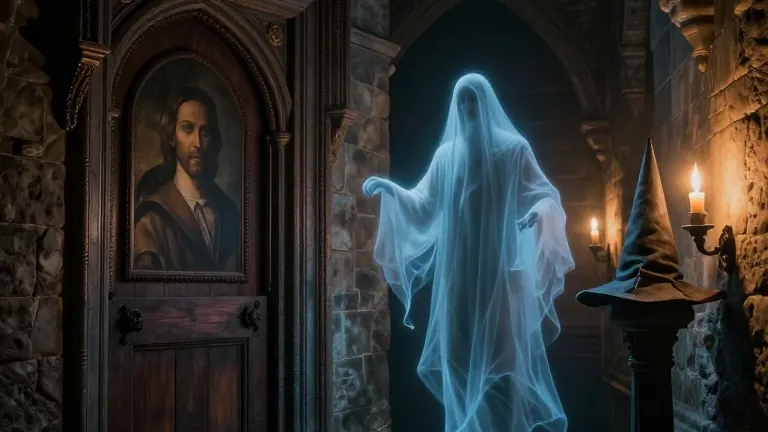
Hollywood horror films feature Catholic imagery with such frequency that the genre has become a distinct subcategory. The white clerical collar against the backdrop of a possessed house has become a visual shorthand for dread. This pattern spans decades of cinema, from the 1973 classic "The Exorcist" to the 2018 release "The Devil's Doorway."
Matthew Cressler, co-author of the new book "Body And Blood," argues that Catholic theology offers specific narrative tools that other religions lack. He notes that the faith emphasizes suffering as a path to closeness with Christ. This theological concept aligns naturally with the physical and spiritual pain central to horror storytelling. Cressler points to examples like Saint Lucia, who is depicted as plucking out her own eyes, or the practice of wearing hair shirts and flagellating.
Director Aislinn Clarke, who grew up in the faith, says her childhood understanding of the Eucharist prepared her for horror filmmaking. She recalls watching a priest hold up a cup and declare it the blood of Christ. As a child interested in monsters, she viewed the ritual as a form of cannibalism. This perspective informs her work, such as "The Devil's Doorway," which features bleeding statues and demonic possession. Clarke identifies the most frightening scene in that film not as the supernatural elements, but as nuns singing hymns while ignoring a woman in labor.
The influence of Catholicism in horror extends beyond overt religious settings. Cressler argues that themes of venerating the dead can appear in films that do not explicitly reference the church. He cites the practice of keeping a mummified corpse in a basement as an example of this theological impulse. The genre also relies on the specific authority granted to priests through ordination. Reverend Aaron Williams, a pastor at St. Mary's Basilica in Mississippi and consultant on the 2025 film "The Ritual," explains that a priest acts with the authority of Christ, not his own power.
Some filmmakers use these elements to critique the institution itself. Clarke uses her films to show broken elements within the church, such as the disconnect between ritual and human suffering. Cressler suggests that the prevalence of Catholic imagery in horror shapes public perception of the faith. He describes the visual cues of the genre, such as an excess of candles and crosses, as signals that something wicked is approaching. The genre also utilizes concepts of grace and redemption to help audiences confront and defeat monsters, at least until the next sequel.
The 2025 film "The Ritual" represents a recent example of this trend, featuring Reverend Williams as a consultant. The movie incorporates the actual rite of exorcism used by the Catholic Church. This collaboration between filmmakers and religious figures highlights the continued relevance of Catholic traditions in shaping modern horror narratives.