Gardeners turn to scarecrows to protect crops from hungry birds
Builders use simple materials like bamboo poles and old clothes to create figures that deter flocks from eating vegetables and flowers.
By Ryan Davidson ·
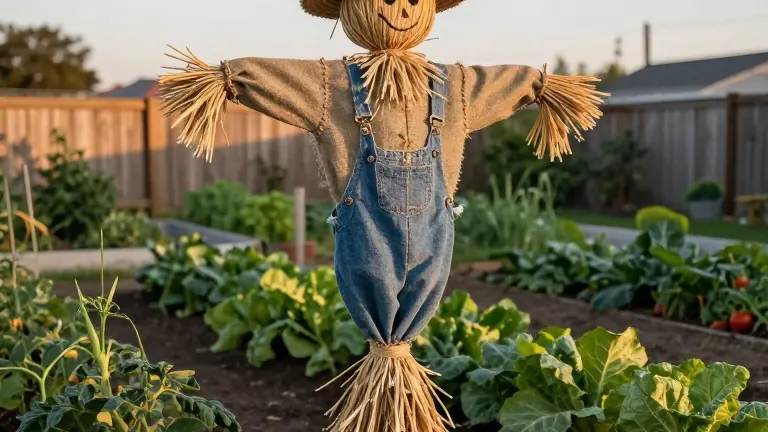
Gardeners and farmers are building scarecrows to stop birds from eating their crops. The figures serve as a physical barrier against flocks that target vegetables, herbs, and flowers. Pesticides work well for insects, but they do not always stop birds. A handmade scarecrow offers a non-chemical solution for organic gardens.
The tradition of using figures to protect crops dates back to ancient Egypt. Farmers there used lifelike statues to drive away crows. In Germany, historical scarecrows took the form of witches to symbolize the arrival of spring. In medieval Britain, children dressed in scarecrow costumes and walked through fields to frighten birds off the plants.
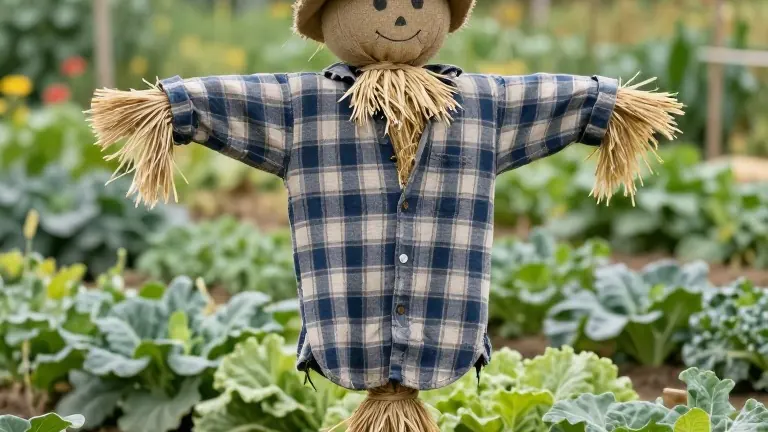
Building a functional figure requires specific materials. The core structure uses a 7-foot bamboo pole and a 4-foot bamboo pole. Builders also need twine, wire, burlap, and straw. Old clothes are essential for the outfit. A wide-brimmed hat helps confuse birds about whether the figure is a real person. If the exact bird species is unknown, a field guide can help identify the threat.
The assembly process begins with the frame. The 4-foot pole attaches to the 7-foot pole at a perpendicular angle. The shorter pole sits half a meter down the longer one. Builders secure the cross shape with nails and a hammer or wood glue. This creates a skeleton that resembles a human body.
Next, the builder dresses the frame in a shirt. The garment must be large enough to cover the upper spine. The builder slides the right sleeve through the left arm of the frame and pulls it to the center. The left sleeve then attaches to the opposite side. The shirt buttons up, and wire ties the bottom hem to the spine. Additional wire secures the ends of the sleeves to keep the shirt on during wind.
Pants attach next. Wire ties the ends of the pant legs. Straw stuffs inside the legs to create volume. The waist of the pants connects to the bottom of the shirt with wire. The builder then stuffs the shirt with straw, hay, leaves, or rags. This filling shapes the torso and sleeves into a realistic human form.
The head takes shape inside a burlap sack. The builder fills the sack with the same stuffing used for the body. Twine ties the top of the sack to hold the filling in place. The stuffed sack attaches to the top of the 7-foot pole. A permanent marker can draw a face on the burlap to increase the deterrent effect.
The final step involves placing the scarecrow in the garden. The builder selects a spot with high bird activity and clear visibility. The bottom of the 7-foot pole drives into the ground. If the soil is hard, a post hole about one foot deep ensures stability. The wide-brimmed hat places on the burlap head to complete the look.