Prada and Hermes Market Hand-Drawn Animation as a Luxury Counterpoint to AI
Luxury houses are promoting physical craft in social media campaigns to distinguish their products from the flood of digital content generated by artificial intelligence.
By Nour Haddad ·
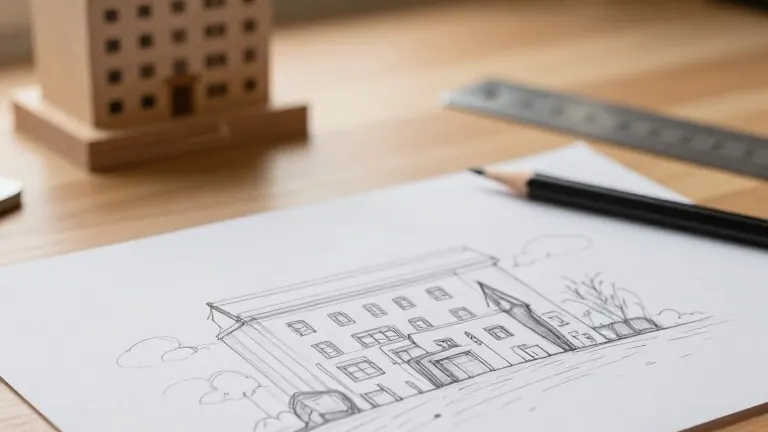
Prada released a holiday campaign featuring hand-drawn animation, a move the brand described as a deliberate return to analog methods in a digital market. The films were created in collaboration with John Pomeroy, a former Disney animator who left the studio in 2003. The campaign opens with the sound of a pencil on paper and the outlines of cartoon animals, emphasizing the physical process behind the visuals. Pomeroy stated in the teaser that he learned his craft using old-school analog drawing with pencil and paper.
This strategy mirrors efforts by other luxury houses, including Hermes, to promote human-made art projects on social media. These brands are tagging the artists behind the work to underscore the authenticity of the final product. Alina Golovlova, a stop-motion artist based in Prague, noted that her work feels more appreciated now than in previous years. She explained that brands are increasingly trying to stand apart from the AI content flooding the internet by showing they work with real people. Golovlova said she previously felt like a hired content creator, but now brands value collaborative posts that highlight the individual artist.
Golovlova directed a short film for Anthropologie last month that featured a needle-felted bunny, embroidered stars, and stop-motion movement. The entire project was designed and assembled by hand by a team of artists. The approach resonated with online audiences, with one commenter noting the creativity of seeing something human-made that was not AI. Another user responding to Prada's campaign posted that human hands equate to high-end quality, while AI represents a cheap and lazy alternative.
Jon Densk, an animator who worked on the Prada campaign under Pomeroy, expressed doubt that AI is ready for successful use in animation. He pointed to Coca-Cola as a major company that has leaned into AI advertising, noting that he has not bought a Coke in the two years since seeing its first such ad. Densk called a stance against AI a smart move for brands, especially as the technology stirs controversy over labor and environmental concerns.
French woodworker Thibaut Malet observed a similar shift in the luxury sector. Last month, Hermes commissioned him to create a miniature wooden reproduction of its flagship store in Paris. Malet wrote that the company explained its commitment to defending craftsmanship, traditional know-how, and metiers d'art in response to the growing influence of artificial intelligence. The piece was featured on the company's social media pages, where many commenters voiced opposition to AI. Malet said that while craftsmanship has always signaled quality, AI will sharpen the line between human-made creations and artificial production as brands compete to distinguish themselves.
Densk described the outpouring of support for the Prada campaign as a welcome resurgence of appreciation for individual human artists. He said people view those who draw by hand or work in CG animation as true craftsmen because the skills require hours of practice to reach proficiency. The response suggests that companies can still be rewarded for investing time and money into individual artists.
Despite the current trend, Densk finds it strange that handmade art might come to be seen as a luxury. He noted that art is intrinsically human, comparing it to a child learning to hold a pencil before learning to walk. Densk concluded that it is something you can do at any point in your life, whether creating a simple stick figure or a complex painting.
More Business · National news · Business Watchdog · Report a business · Got a Story?