Riverside Schools Lose Google Search If They Reject AI Tools
A new policy links access to the company's search engine with the adoption of its artificial intelligence features in classrooms.
By Ryan Davidson ·
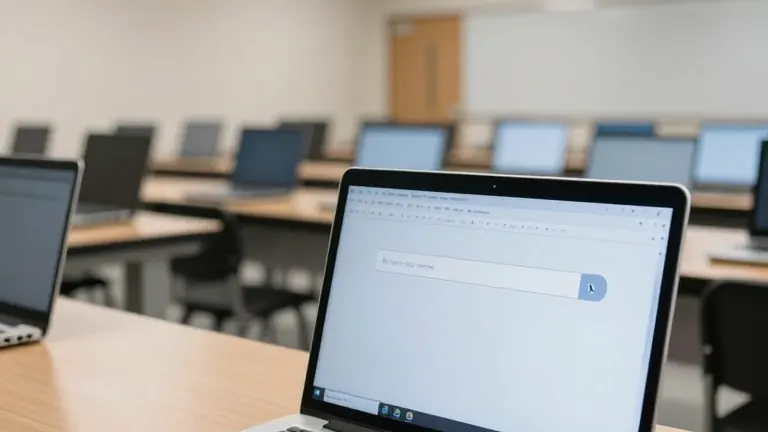
Riverside school districts that want to keep their students on Google's search engine must also agree to use the company's artificial intelligence tools, Google announced Tuesday. The Mountain View, California, firm stated that search is now integrated with AI, meaning schools that opt out of AI features will lose access to search as well.
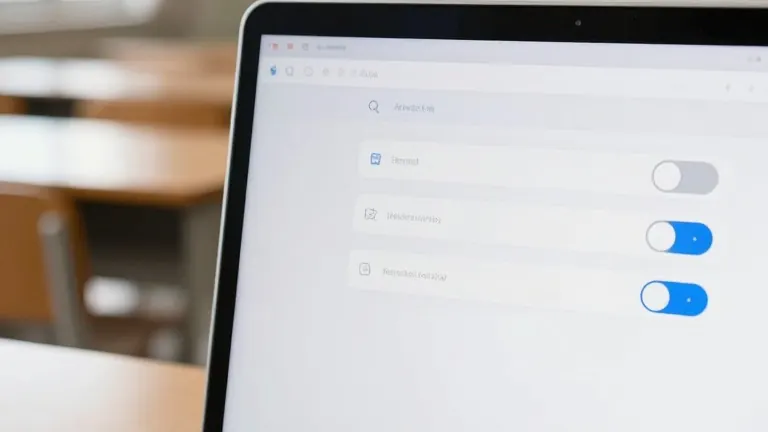
The policy change alters the default settings for K-12 schools. Previously, the company turned on its Gemini chatbot for many students in August after expanding access beyond age 18. That move drew sharp criticism from educators, parents, and child development experts. In response, Google said administrators can now toggle each tool on or off individually. Gemini, Gemini Notebook, and search will be off by default until a district explicitly turns them on.
Chris Phillips, Google's vice president and general manager of education, explained the reasoning in a blog post. "We believe schools should have control over AI in their classrooms and in providing administrators with controls to help them manage their approach," Phillips said. The company also announced updates to its search tools to improve learning. These updates include step-by-step guided problem solving designed to prevent students from getting quick answers to schoolwork.
Despite the new controls, critics argue the linkage creates pressure to accept AI. Lina Khan, former chair of the Federal Trade Commission, posted on social media that the move uses Google's market position to coerce schools. "Google is using its search monopoly to coerce schools into adopting AI. This highlights the danger of allowing an unregulated monopolist to control an essential service," Khan wrote. She added that the company is punishing districts that resist.
The controversy comes as major districts like those in New York City and Los Angeles implement temporary bans on generative AI in elementary and middle schools. These districts are assessing safety and developing new policies. Many students already use AI for homework, but experts worry the technology encourages cheating and reduces critical thinking. Questions remain about how constant access affects brain development.
Josh Golin, executive director of the children's advocacy group Fairplay, said the new strategy is likely to backfire. He argued that Google's presence in schools focuses on building brand loyalty rather than supporting education. "Because AI isn't safe for kids and undermines education and critical thinking, schools should turn off Google's AI tools the minute that option becomes available," Golin said in a statement.
Golin urged schools to consider leaving the Google ecosystem entirely. He suggested using the moment to find privacy-protective alternatives for search and research. Google serves 150 million students and teachers worldwide through its Google Classroom platform. Many of these users rely on school-provided Chromebook computers, making the company a central part of the daily classroom experience.