First-Time Voters Cast Ballots for Families
New citizens and children of immigrants in New York, California, Wisconsin, and Texas are using their ballots to protect relatives facing deportation risks.
By Stella Brooks ·

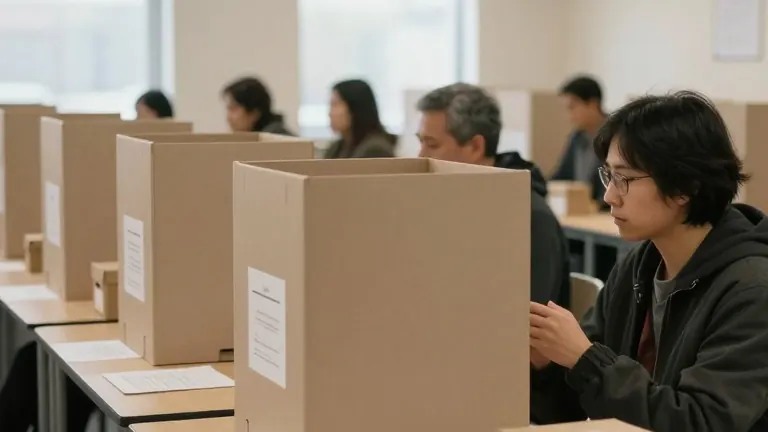
Nicole Solis-Sison arrived in Los Angeles at age seven to escape the Philippine government. After an immigration agent suggested her family file for asylum, they remained in the United States. She became a citizen earlier this year and is voting for the first time in New York City this month. She described the 2026 midterm election as a milestone year where she created her own voter guide to navigate the process.
Solis-Sison said her experience informs her choices because she feels a weight to protect others in the system. She noted that she escaped the process with only a sliver of hope. This sentiment is shared by Juan Escalante, a 37-year-old California resident who became a citizen in 2025. Escalante discovered he was undocumented during high school after his parents mishandled their legal case.
The Deferred Action for Childhood Arrivals program allowed Escalante to graduate college. He described his first general election vote as profoundly personal and emotional. Although he was overwhelmed by the size of the California ballot, he researched every proposition and candidate to ensure his vote supported his community. He stated that he is proud to be an American citizen and wants his values as a Latino immigrant translated onto the ballot.
Deisy España, a 24-year-old in Wisconsin, was born in the United States but grew up with undocumented parents from Mexico. She recalled her mother praying during traffic stops out of fear of being turned over to Immigration and Customs Enforcement. Her mother recently obtained a green card, but España said the fear has not dissipated. She is voting for her parents who cannot vote themselves.
Leydi Gonzalez, 23, from Texas, is also a U.S. citizen with parents from El Salvador. She petitioned for her parents' legal status when she turned 21. They now have authorization to stay in the country while awaiting residency approval. Gonzalez said her family discussed who would care for her siblings if her parents were detained, a conversation that became urgent after the killing of Lorenzo Salgado Araujo in Texas by an ICE agent.
Gonzalez is watching a high-profile U.S. Senate race in Texas where Democrat James Talarico is polling ahead of Republican nominee Ken Paxton. She said the stakes feel higher this year due to the administration's hardline stance on immigration. She is voting to provide a sense of security for her family, noting that it feels bigger than her own best interest.
These voters represent a cohort for whom the midterm election serves as a mechanism for family protection. Solis-Sison is voting in New York, Escalante in California, España in Wisconsin, and Gonzalez in Texas. Their ballots reflect a mix of personal gratitude and collective anxiety regarding the future of their households.
The group includes newly naturalized citizens and long-time residents whose status changed over time. Solis-Sison fled the Philippines, Escalante came from Venezuela, and España and Gonzalez are U.S.-born children of immigrants from Mexico and El Salvador. Each cited specific legal milestones, such as asylum filings, DACA approvals, and green cards, that define their current standing.