
Kenyan Elite Runners Face Rising Violence as Fame Increases Risk
Agnes Ngetich and other top athletes describe a pattern of abuse that leaves them feeling unsafe despite their global success.
By Stella Brooks ·
Agnes Ngetich, a 25-year-old world record holder, sees a familiar pattern in the deaths of Kenyan female runners. She recalls watching the viral video of Rebecca Cheptegei being set on fire by her ex-boyfriend two years ago. Ngetich reacted with resignation rather than shock, asking simply, “Oh .. again?”
Cheptegei was the fourth high-profile female runner in Kenya to be killed in three years. All four deaths were allegedly committed by a husband or boyfriend. Ngetich notes that studies show more than one-third of Kenyan women have experienced gender-based violence firsthand. This reality contrasts with the international perception of Kenyan running dominance.
Kenyan women have won six straight Boston Marathons and 11 of the past 15. At the last world championships, they won every distance event from the 800 meters through the marathon. More than half of the 15 fastest marathon times ever recorded by women belong to Kenyans. Despite this success, many athletes describe their lives as precarious.
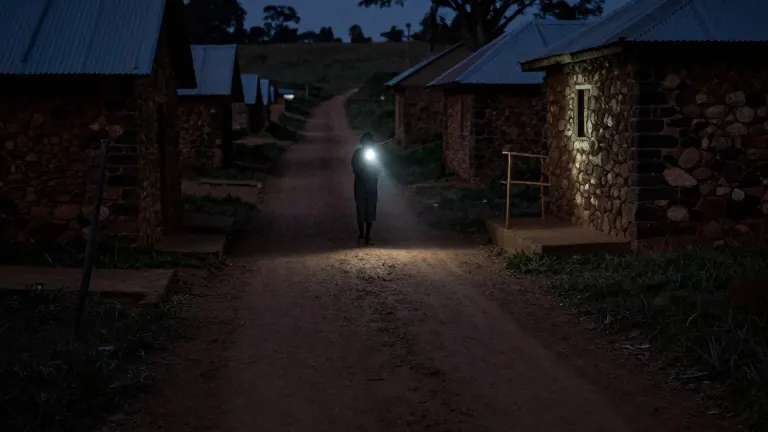
Joan Chelimo, a 35-year-old elite runner and coach, runs a training camp in Iten. She describes receiving late-night calls from athletes in trouble. On one recent evening, she drove her white van through dark, unpaved roads to reach a female runner. The athlete was hiding from her husband, who had kicked in the door and threatened to kill her after a fight over money and rental income.
The husband was drunk and told the runner she was foolish. The neighbor encouraged reconciliation, a common cultural response. Chelimo interrupted the neighbors and told the woman, “Do you want to die like Cheptegei?” Chelimo helped the woman find a lawyer and a counselor. The woman filed a police report, but officers only provided a receipt known as an occurrence book, with no follow-up investigation.
Chelimo believes most women eventually return to their abusive partners. She cites cultural traditions, such as dowry payments, which pressure spouses to stay together. Mary Ngugi-Cooper, another Kenyan marathon runner, said she grew up seeing women endure abuse, creating a belief that endurance is expected. “Our mom endured, so we should endure,” Ngugi-Cooper said.
Evelyn Watta, a Kenyan journalist, stated that institutions have failed these athletes. She noted that the sports federation and police often wait to celebrate victories without addressing the private struggles of the women. The lack of confidence in the justice system leaves many runners to handle their safety alone. Chelimo said she often feels like the only person listening when a woman cries out.
Agnes Ngetich lives at Chelimo’s camp, where the two have a mother-daughter relationship. Ngetich’s coach, Julien Di Maria, calls her the future of Kenyan running. However, Ngetich understands that her success makes her a target for men who want to profit from or control her. She noted that in Kenya, where the median salary is under $500 per year, a woman who wins races and earns shoe deals is in a vulnerable position.
The situation is not new. Agnes Tirop, who held the 10K world record, was killed in her home in Iten in 2021. She was also 25 years old. Her sister and brother still live in the three-room house where she died. For current champions like Ngetich, the question is no longer just about winning races, but about surviving them.