Library Usage Spikes as Americans Cut Spending on Extras
Large public library systems report double-digit gains in visits and digital checkouts while federal funding faces new cuts.
By Stella Brooks ·
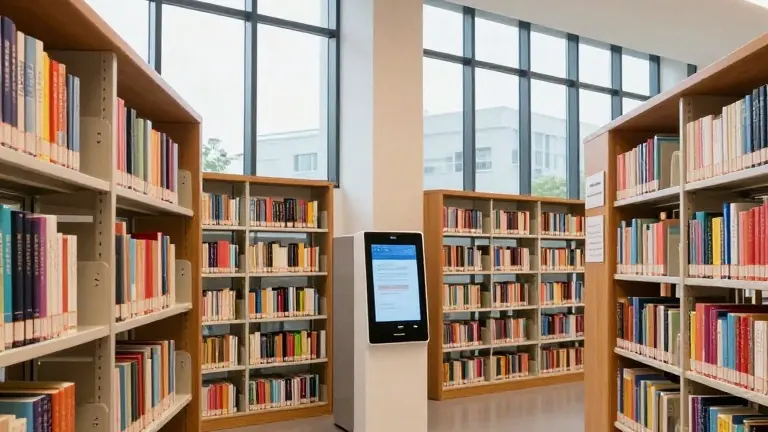
Izzy Rivera reads at least one book per week, but new purchases have fallen out of her budget while she saves for law school. She now relies on the Topeka and Shawnee County Public Library in Kansas for physical books and digital copies via the Libby app. Last month, she spent about $20 on 15 books at the library’s used book sale. Rivera also uses the Kanopy streaming app and reads the New York Times for free. She describes the library as a place where she is not expected to spend money, unlike a coffee shop where buying a drink is implied.
Librarians across the United States report a similar trend. As prices for food and other everyday items rise, patrons are turning to public libraries for free resources. A Pew Research Center survey released in mid-October found that 44% of Americans struggled to afford at least one basic necessity in the past year. Seventy percent of adults said they have cut back on extras like streaming subscriptions. This shift aligns with historical patterns where library use increases during economic downturns.
Data from major library systems confirms the uptick. The Los Angeles Public Library saw its makerspace usage grow by 37% between the last two fiscal years. Digital circulation and library visits at LA Public Library both increased by more than 20%. At the Chicago Public Library, in-person visits, adult library card applications, and Wi-Fi sessions all rose by more than 11% from January through July. The Maricopa County Library District in Arizona recorded a 34% increase in Kanopy use and a 78% surge in Hoopla use over the past three years. OverDrive, which owns Kanopy, reported a 41% spike in streaming service users last year.
Jeremy Reeder, director of the Maricopa County Library District, notes that users often switch from paid services like Audible to free library options after a friend suggests the alternative. Maria McCauley, president of the American Library Association and director of the Cambridge Public Library in Massachusetts, says there is heightened awareness that libraries provide a wide range of free or low-cost offerings. She adds that libraries must make a case for their funding every year, which becomes harder when resources are uncertain.
The federal funding landscape presents a challenge. The Trump administration recommended zeroing out funding for the Institute of Museum and Library Services in its April budget proposal for the current fiscal year. This follows an attempt last year to gut the agency and cancel grants, a move blocked by a lawsuit from the attorneys general of 21 states. The administration reinstated the grants after the legal challenge.
Libraries are also expanding their services beyond books. A survey found that 56% of libraries offered food security support services last year. Many branches now lend out items like Wi-Fi hotspots, induction cooktops, and camping gear. At the Free Library of Philadelphia, attendees at a biweekly crafting meetup use provided sewing machines and materials at no cost. Nathaniel Muns, a recent college graduate, uses the music department’s keyboard because his own broke and he has not replaced it. He said the library helps him decompress after a day of work.
The Topeka and Shawnee County Public Library logged an 8.1% increase in digital media checkouts last year. While physical circulation is down, requests for tech support, such as help with online job applications, have surged. Edwin Rodarte, a senior librarian at the Los Angeles Public Library, said the pandemic boosted the existing trend of digital media use. Libraries continue to serve as community resources for locals facing homelessness or food insecurity while navigating their own budget constraints.